
Holiday Homes From
Swede House
Choose between a beautiful converted barn located on a farm near to Varberg on Sweden’s west coast and a fully modernised classic forest torp hidden in the forest beside a river near Ullared.
Our Houses
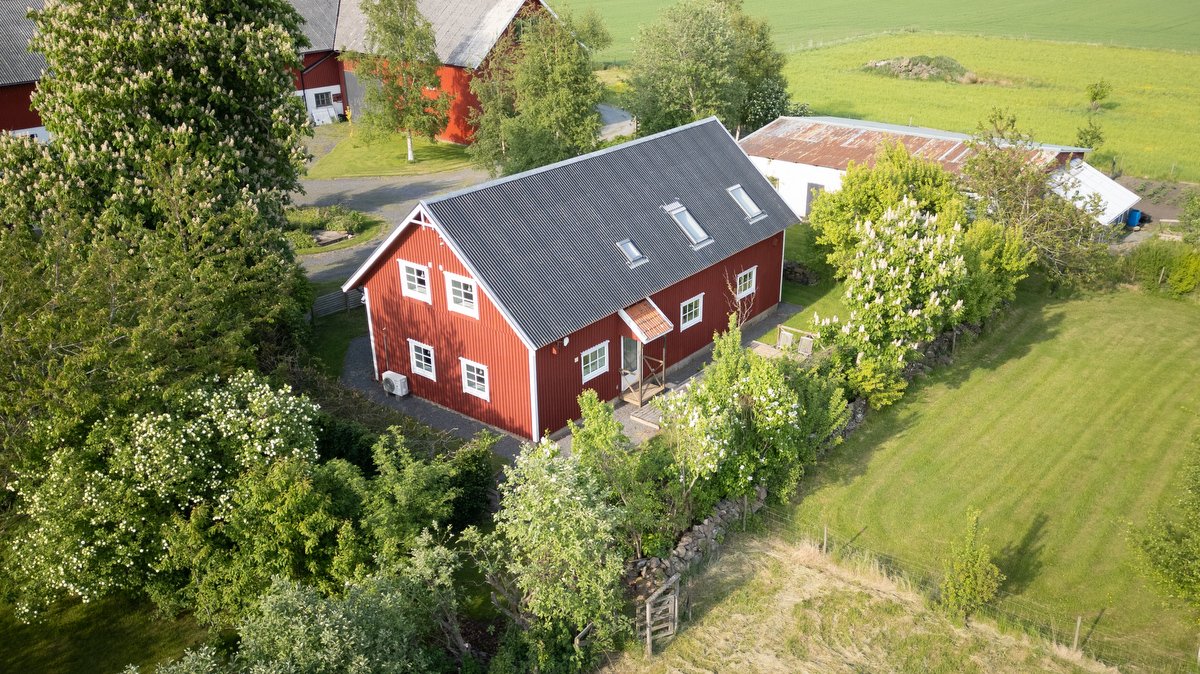
Nygård Cottage
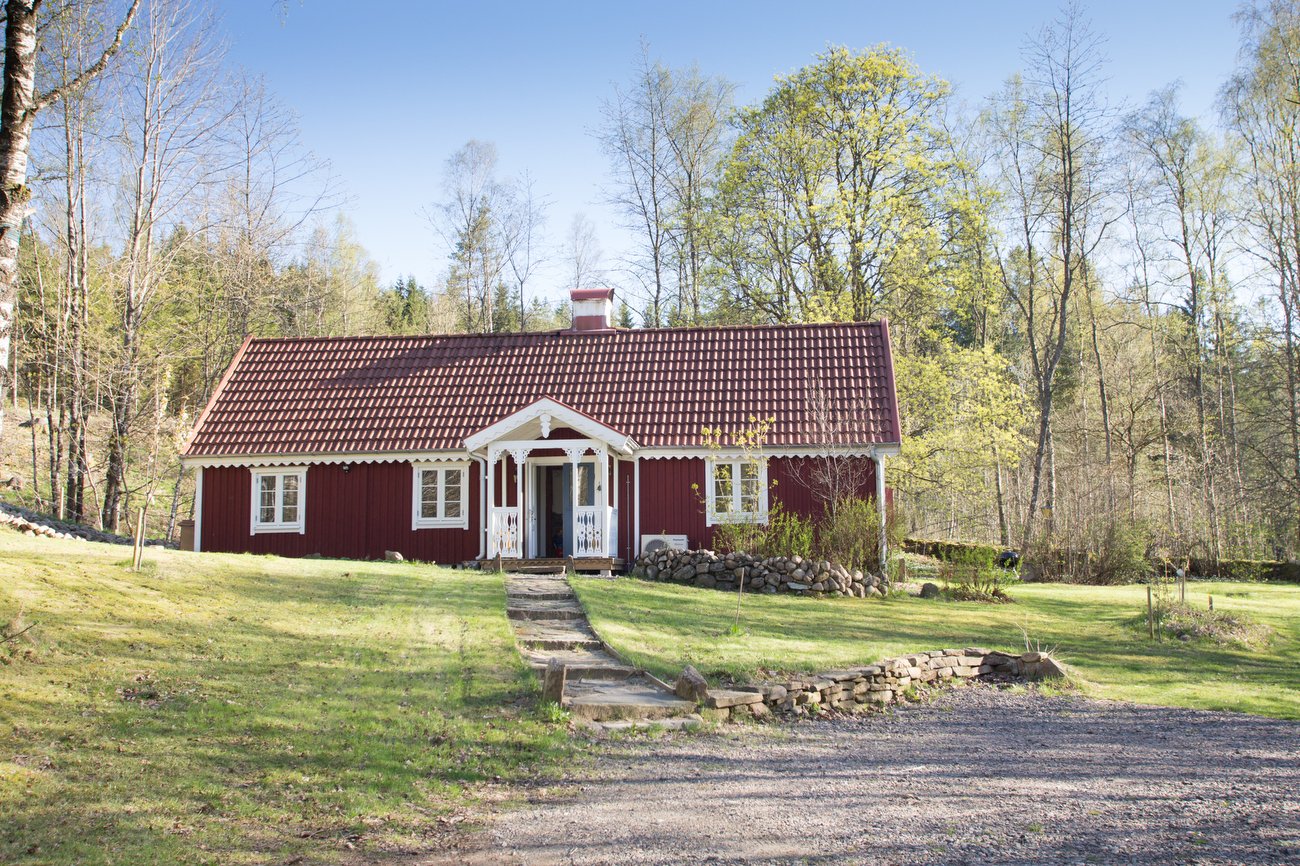
Kvarnhagen
Best Price Guarantee
Always the best price when you book direct rather than through Airbnb, VRBO, Stugknuten etc
What to do in Halland
Canoe, paddleboard, sail, fish, walk, picnic, windsurf, surf, kite surf, swim, horse ride,
hunt, pick berries, pick mushrooms, mountain bike, sail, sea fishing, seal safari
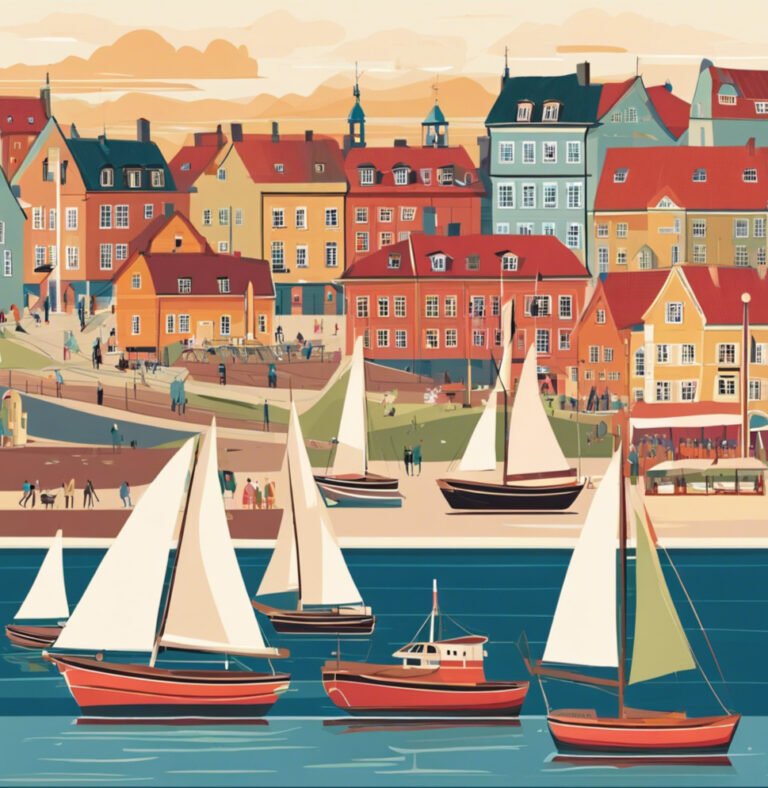
Varberg
Located on the west coast of Sweden, Varberg is a town of around 29500 people. It is here that the rockey Bohuslan coast meets the open Halland coast with it’s long sandy beaches. In the centre of town is a busy market square lined with restaurants and coffee shops and a market on Wednesdays and Saturdays. A short walk from the town centre is the harbour, here you can shop, eat or just watch the boats go by.
Falkenberg
Similar in size to Varberg, Falkenberg boasts some of Halland’s most popular beaches, Skrea Strand, being the best known. Situated on the banks of the river Atran the town is a hotspot for tourists looking for a relaxed seaside town. A 30 minute drive out of town takes you to Gekas in Ullared, Europe’s largest shopping centre.
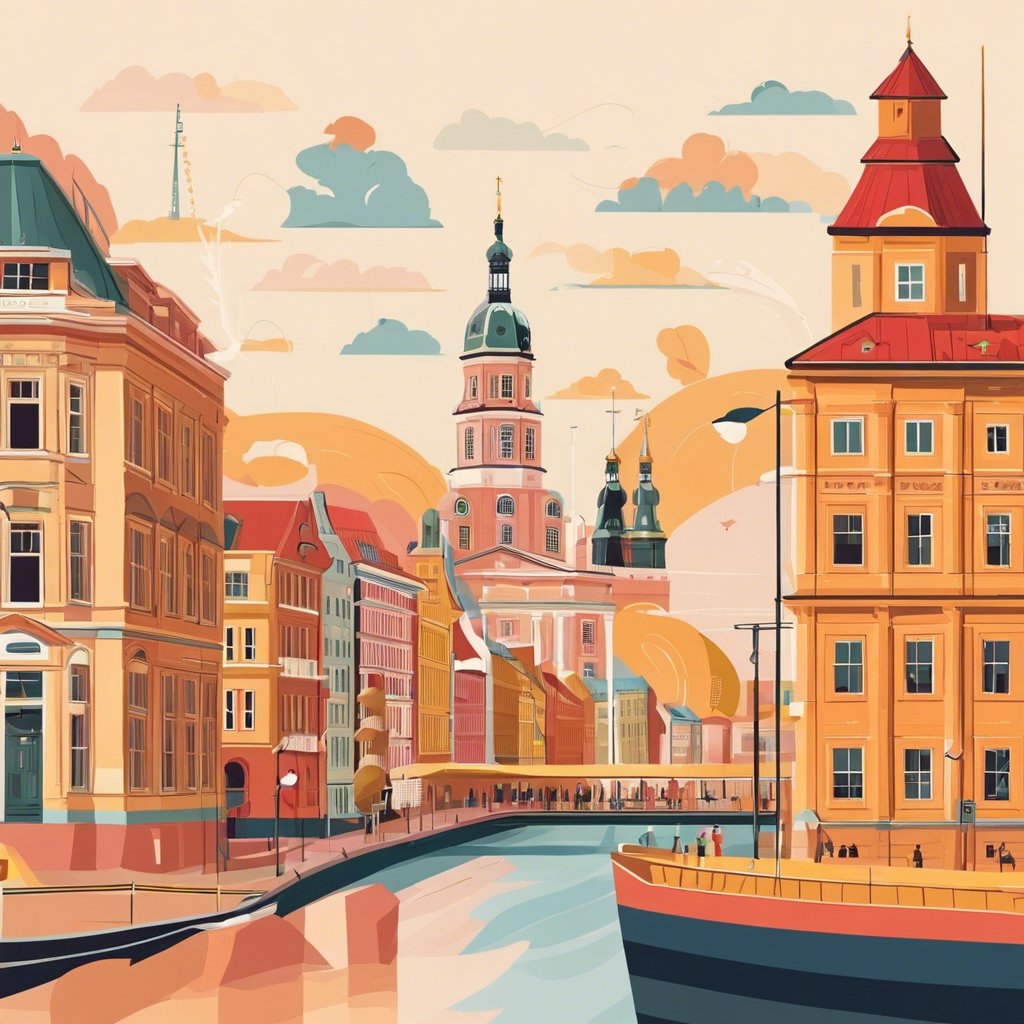
Gothenburg
Not in Halland, but close enough is Gothenberg, Sweden’s second largest city where you’ll find a vibrant cultural scene, world-class restaurants, sustainable living and a fascinating history – all within walking distance. Adventure is never far away, with wide open spaces and magical archipelago islands waiting to be explored
ABOUT US
About the houses
Nygård is a traditional Swedish farmstead whose buildings reflect a time when form followed function and materials were used with care and longevity in mind. The original farmhouse and barns had, over time, fallen into disuse, but their structure and craftsmanship remained a valuable foundation for restoration rather than replacement.
The renovation of the farmhouse focused on preserving original features while upgrading the building for modern living standards. Traditional construction methods and materials were respected wherever possible, ensuring the building retained its character while becoming energy-efficient, comfortable, and fit for contemporary use.
The old grain barn, originally designed for storage and built with oversized structural beams to carry heavy loads, was later carefully converted into Nygård Cottage. Instead of dismantling or rebuilding, the existing structure was adapted—retaining its external form and key architectural elements while introducing insulation, natural light, and modern amenities. This approach reduced material waste and preserved the embodied energy already present in the building.
A similar philosophy guided the restoration of Kvarnhagen, an 18th-century forest farmhouse (torp). Historically, such buildings were modest, self-sufficient homes tied closely to the surrounding land. The restoration process prioritised simplicity, durability, and the use of natural materials, allowing the building’s original purpose and character to remain visible while making it suitable for modern use.
These projects are rooted in a broader belief that existing buildings hold both cultural and environmental value. By restoring and repurposing rather than demolishing, it is possible to reduce resource consumption, minimise environmental impact, and preserve traditional craftsmanship. The result is a collection of spaces that balance heritage with sustainability—offering a slower, more considered way of living that is closely connected to nature.